Back to all articles

How AI is Revolutionizing Education in 2026: Top Tools Trends

Explore the latest AI trends in education for 2026, including AI-driven learning platforms, classroom tools, and how AI is enhancing student productivity and teacher efficiency.

10 min read
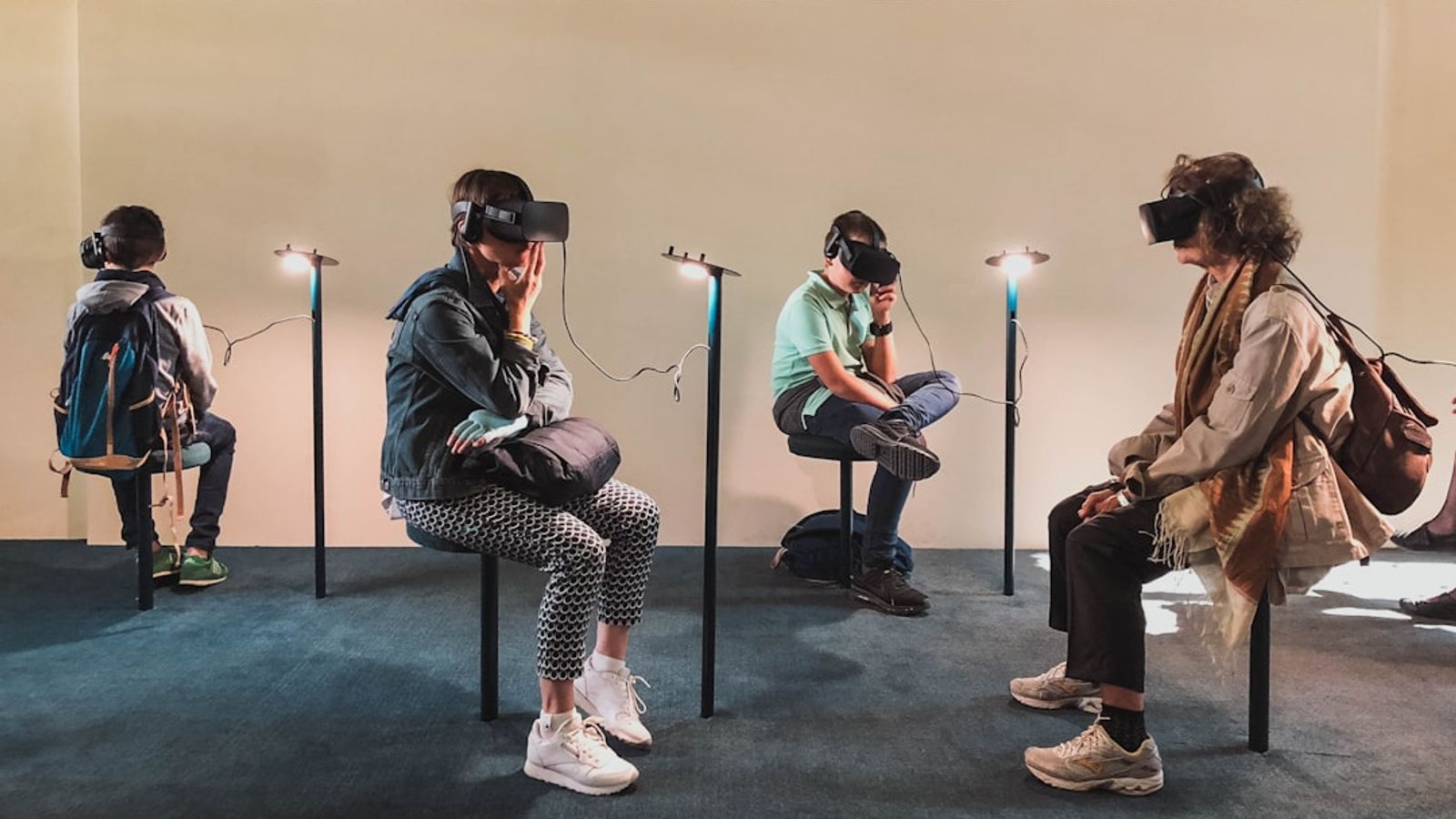
Education illustration by Lucrezia Carnelos

How AI is Revolutionizing Education in 2026: Top Tools and Trends

By 2026, AI in education isn’t just a buzzword—it’s reshaping how students learn, teachers instruct, and institutions operate. Imagine a classroom where AI-powered tutors adapt to each student’s pace, personalized learning pathways eliminate gaps, and real-time analytics predict academic struggles before they escalate. This isn’t futuristic fiction; it’s the reality unfolding today. As schools, universities, and edtech platforms embrace AI-driven education trends, the landscape of teaching and learning is evolving faster than ever. Whether you’re a parent, educator, student, or policymaker, understanding how AI in education 2026 works—and how to leverage it effectively—could be the key to unlocking unparalleled academic success.

Why AI is the Future of Education

The integration of AI in education isn’t just about efficiency; it’s about equity, engagement, and outcomes. Traditional one-size-fits-all teaching models struggle to address the diverse needs of modern learners. Here’s why AI in education 2026 is poised to dominate:

Personalization at Scale: AI algorithms analyze student performance in real time, tailoring lessons to individual strengths, weaknesses, and learning styles. For example, a student struggling with algebra might receive adaptive quizzes that break down concepts into bite-sized, interactive modules—while a top performer could dive into advanced calculus topics.

Accessibility for All: From non-verbal students using AI-powered speech-to-text tools to visually impaired learners with AI-generated audiobooks, AI in education is breaking down barriers. Platforms like Duolingo Max (powered by AI) already offer real-time feedback in multiple languages, making language learning more inclusive than ever.

Reducing Teacher Burnout: AI can handle administrative tasks like grading essays, scheduling, and even identifying at-risk students. This frees educators to focus on what they do best: mentoring and inspiring. A 2025 study by McKinsey & Company found that schools using AI for routine tasks saw a 30% reduction in teacher workload while improving student engagement.

Predictive Analytics: AI doesn’t just react to student performance—it predicts it. By analyzing patterns in attendance, participation, and quiz scores, AI in education tools can alert teachers to potential drop-offs before they happen. For instance, Khan Academy’s AI Coach uses predictive modeling to suggest interventions for students at risk of failing a course.

Gamification and Engagement: AI-powered platforms like Socratic by Google turn learning into an interactive experience. Students ask questions, and AI provides step-by-step explanations, quizzes, and even fun challenges. This approach boosts retention rates by 40%, according to Harvard’s Education Innovation Lab.

The Top AI Tools Transforming Education in 2026

The AI in education 2026 ecosystem is packed with innovative tools, each serving a unique purpose. Here’s a breakdown of the most impactful ones:

Adaptive Learning Platforms

These platforms use AI in education to create dynamic, personalized learning journeys. Some of the top players include:

DreamBox Learning: Uses AI to adjust lesson difficulty in real time based on student responses. Ideal for K-8 math education.

Pearson Adaptive Quizzing: Powers platforms like MyLab Math, offering instant feedback and remediation for college-level students.

Knewton: Focuses on higher education, providing AI-driven content recommendations for courses like biology and economics.

How it works: When a student answers a question incorrectly, the AI identifies the root cause—whether it’s a conceptual gap or a misunderstanding—and delivers targeted practice. For example, if a student keeps misapplying the Pythagorean theorem, the AI might generate additional problems with visual aids or real-world applications.

AI-Powered Tutoring and Chatbots

Chatbots and virtual tutors are becoming the go-to resource for students seeking instant help. These tools leverage natural language processing (NLP) to understand and respond to questions contextually.

Socratic by Google: Answers homework questions step-by-step, sources explanations from trusted textbooks, and even suggests related topics to explore.

Princeton’s AI Tutor (PIA): Specializes in STEM subjects, using AI to explain complex concepts like quantum physics in simple terms.

Cleverbot (Educational Version): Used in schools to engage students in conversations about grammar, science, or history, reinforcing learning through dialogue.

Pro Tip: Parents can integrate these tools into homework routines. For instance, asking Socratic to explain a biology question before a quiz can reinforce understanding better than passive reading.

AI for Special Education and Inclusivity

The AI in education 2026 space is prioritizing accessibility. Tools like these are making education more inclusive:

Speechify: Converts text to natural-sounding speech, benefiting dyslexic students or those with visual impairments.

Dragon Anywhere: AI-powered speech-to-text software that helps students with motor disabilities compose essays or take notes.

Proloquo2Go: An AI-driven communication app for non-verbal students, allowing them to express thoughts and ideas through text-to-speech.

Real-World Example: A high school with 15% of students on the autism spectrum implemented Proloquo2Go in 2025. Within a year, participation in class discussions increased by 50%, and standardized test scores in language arts rose by 22%.

AI in Curriculum Design and Teacher Training

Teachers aren’t left behind in the AI in education revolution. Platforms like these help educators create better lessons and stay updated:

TeachLivE: Uses AI to analyze lesson plans and suggest improvements for engagement and clarity.

Classcraft: A gamified classroom management tool that uses AI to track student behavior and suggest rewards or interventions.

Coursera’s AI-Powered Courses: Offers professional development courses for teachers, teaching them how to integrate AI in education into their classrooms.

Actionable Tip: Teachers can use TeachLivE to get AI-generated feedback on their PowerPoint slides. The tool highlights areas where students might lose focus and suggests visual aids or interactive elements.

AI for Plagiarism Detection and Academic Integrity

Plagiarism remains a challenge, but AI in education 2026 is stepping up with advanced detection tools:

Turnitin’s AI-Powered Feedback: Not only detects plagiarism but also provides AI-generated suggestions for improving writing clarity and structure.

QuillBot: Helps students rewrite essays to avoid accidental plagiarism while maintaining originality.

GPTZero: Uses AI to detect AI-generated content, ensuring students submit their own work.

Why It Matters: With the rise of AI writing tools like Jasper.ai, educators need tools like GPTZero to maintain academic integrity. These platforms are becoming standard in universities, with 92% of professors reporting increased use of AI detection tools by 2026.

The Pros and Cons of AI in Education

While AI in education offers transformative benefits, it’s not without challenges. Let’s weigh the pros and cons:

Pros of AI in Education

Personalized Learning: AI adapts to individual needs, ensuring no student is left behind or held back.

24/7 Accessibility: Students can learn at their own pace, anytime, anywhere—ideal for working adults or those in remote areas.

Data-Driven Insights: Schools can identify trends (e.g., declining performance in a specific subject) and address them proactively.

Cost-Effective: AI reduces the need for additional human resources, lowering operational costs for institutions.

Engagement: Gamification and interactive AI tools make learning more enjoyable, especially for younger students.

Cons of AI in Education

Over-Reliance on Technology: Some argue that AI may reduce critical thinking if students become too dependent on automated answers.

Privacy Concerns: The vast amount of student data collected by AI raises questions about security and ethical use.

Digital Divide: Not all schools or families can afford AI tools, exacerbating inequality.

Human Touch Missing: Some students thrive on personal interaction with teachers, and AI may struggle to replicate that emotional connection.

Bias in Algorithms: If AI is trained on biased data, it could inadvertently favor certain groups of students over others.

Balancing the Scale: The key is human-AI collaboration. Educators should use AI as a tool to enhance teaching, not replace it. For example, AI can handle repetitive tasks like grading, while teachers focus on mentoring and building relationships.

How Schools and Students Can Leverage AI in 2026

For Schools and Educators

  1. Start Small: Pilot AI tools in one subject or grade level before scaling. For example, introduce Socratic for science homework before rolling it out to the entire school.
  2. Train Staff: Invest in professional development for teachers to understand how to use AI in education tools effectively. Platforms like Coursera’s AI for Educators offer free courses.
  3. Address Privacy: Implement strict data policies and use tools that comply with FERPA (Family Educational Rights and Privacy Act) and GDPR standards.
  4. Combine AI with Human Interaction: Use AI for personalized feedback but ensure students still have access to human mentors for deeper discussions.
  5. Monitor for Bias: Regularly audit AI tools to ensure they’re fair and inclusive. For instance, check if adaptive quizzes favor certain demographics.

For Students

  1. Use AI as a Study Buddy: Tools like Socratic or Princeton’s AI Tutor can help clarify confusing concepts. For example, if stuck on a chemistry problem, ask the AI to explain it in three different ways.
  2. Leverage AI for Organization: Apps like Notion AI or Roam Research can help students outline essays, create study schedules, and even generate flashcards.
  3. Practice Ethical AI Use: Avoid using AI to cheat. Instead, use it to learn from mistakes. For example, if an AI-generated answer is incorrect, ask it to explain why and how to correct it.
  4. Explore AI in Extracurriculars: Some schools now use AI in education for debate clubs, coding competitions, or even creative writing. Stay updated on your school’s offerings.
  5. Build Digital Literacy: Learn how AI works so you can critically evaluate its outputs. For example, know that AI might sometimes generate incorrect information—always cross-check with trusted sources.

Frequently Asked Questions About AI in Education

Q: Is AI replacing teachers?

No. AI is designed to augment teaching, not replace it. The goal is to reduce administrative burdens and personalize learning so teachers can focus on mentoring and creativity. Think of AI as a teaching assistant, not a substitute for human educators.

Q: How accurate is AI in education?

AI tools are highly accurate for structured tasks like math problems or grammar checks, but they can still make mistakes—especially in open-ended subjects like philosophy or creative writing. Always use AI as a guide, not the sole authority.

Q: Are AI tools expensive for schools?

Costs vary. Some platforms like Khan Academy offer free AI-powered features, while others (e.g., Pearson Adaptive Quizzing) require subscriptions. Many schools negotiate bulk discounts or use grants to offset costs. The long-term savings in teacher time and improved student outcomes often justify the investment.

Q: Can AI help with test preparation?

Absolutely. Tools like Chegg’s AI Study Assistant or Quizlet’s AI Flashcards generate practice questions tailored to your weak areas. For standardized tests like the SAT or ACT, AI can simulate full-length practice tests with real-time feedback.

Q: How do parents ensure their child benefits from AI in education?

Choose the Right Tools: Select AI platforms aligned with your child’s learning style (e.g., visual learners may benefit from Anki’s AI flashcards with spaced repetition).

Supervise Usage: While AI is helpful, parents should monitor how their child uses it to avoid over-reliance on automated answers.

Encourage Critical Thinking: Ask questions like, “Why did the AI give you that answer?” to foster deeper understanding.

Stay Informed: Attend school workshops or webinars on AI in education to understand how your child’s school is implementing these tools.

Q: What subjects benefit most from AI?

AI shines in subjects with clear, structured learning paths, such as:

Math and Science: Adaptive quizzes and step-by-step explanations.

Languages: Real-time conversation practice (e.g., Pimsleur’s AI tutor).

Programming: Debugging assistance (e.g., GitHub Copilot for students).

Subjects like art, music, and ethics benefit less from AI but can still use tools for research or organization.

The Future of AI in Education: Predictions for 2026 and Beyond

As we look ahead, AI in education 2026 will continue to evolve in exciting ways:

  1. AI as a Classroom Companion: By 2026, AI avatars may interact with students in virtual classrooms, offering real-time feedback and even participating in group discussions.
  2. Emotion-Aware AI: Tools will analyze student emotions (via voice tone or facial expressions) to adjust teaching methods. For example, if a student sounds frustrated, the AI might suggest a calming break or a different explanation style.
  3. Blockchain and AI: Schools may use blockchain to verify AI-generated credentials, ensuring diplomas and certifications are tamper-proof and globally recognized.
  4. AI-Generated Curriculum: Entire courses could be dynamically generated by AI based on student performance data, making education truly adaptive.
  5. Global Classrooms: AI will facilitate cross-border collaborations, allowing students to learn from peers worldwide in real time, breaking down geographical barriers.

Actionable Step for 2026: Schools should start integrating AI-driven micro-credentials. These are short, skill-specific certifications (e.g., “AI Basics for Educators”) that students can earn alongside traditional degrees, making them more competitive in the job market.

Conclusion: Embrace AI in Education—Wisely

The integration of AI in education by 2026 isn’t just a trend—it’s a necessity for preparing students for a future where AI is ubiquitous. From adaptive learning platforms to AI tutors and predictive analytics, these tools are democratizing education, making it more personalized, accessible, and effective than ever before.

However, success hinges on balanced adoption. Schools must ensure AI enhances—not replaces—human connection, and students should use these tools as collaborators, not crutches. For parents and educators, staying informed and proactive is key.

Ready to transform your learning experience? Start small: try an AI tutoring tool for one subject this month, or ask your school about piloting an adaptive learning platform. The future of education is here—will you be part of it?

Call to Action:

Educators: Attend a free webinar on AI in education 2026 tools (e.g., Coursera’s AI for Teachers) and implement one AI tool in your classroom this semester.

Students: Download Socratic or Quizlet AI and use them for one homework assignment this week to see the difference.

Parents: Research AI in education grants for your school district and advocate for their adoption to bridge the digital divide.

The time to act is now—because in 2026, the classrooms that leverage AI in education will be the ones leading the way.

Found this useful?

Try our free tools — calculate your GPA, check college GPA requirements, or generate an attendance sheet in seconds.